Creative Input – A.I. – Deirdre Dyson’s Hand knotted Carpets in Digital Roomscapes
Edison delves into the world of AI in Interior Design.
The ongoing debate of AI (Artificial Intelligence) is paramount in developing an understanding of this modern, technological invention, particularly within the creative sphere. Understanding the advantages and disadvantages of using AI and whether it truly has any place in creative roles will determine if this digital advancement can survive beyond the early stages of fascination, usage and integration. Indeed, can we, as creatives survive as an employed workforce within an industry of relative monopolistic competition? Could AI one day challenge or surpass our own creative limitations, rendering us truly redundant?
I’m not tech savvy in the slightest. Yes, I can email and do online tasks with ease and Facebook and Instagram make up most of my social media indulgences – those two, being fairly limited in my participation. It’s online at work and mostly offline at home- that’s me! So, writing about AI wasn’t going to be a straightforward endeavour, particularly when it’s still in its very early stages, constantly learning and evolving. It’s like trying to capture and describe a solid shape of a shifting, fluid entity.
Entering the world of AI, I cautiously stepped onto the unknown platform to see what, if anything, I would make of the beast. So, it was say ‘Hello’ to ChatGPT!
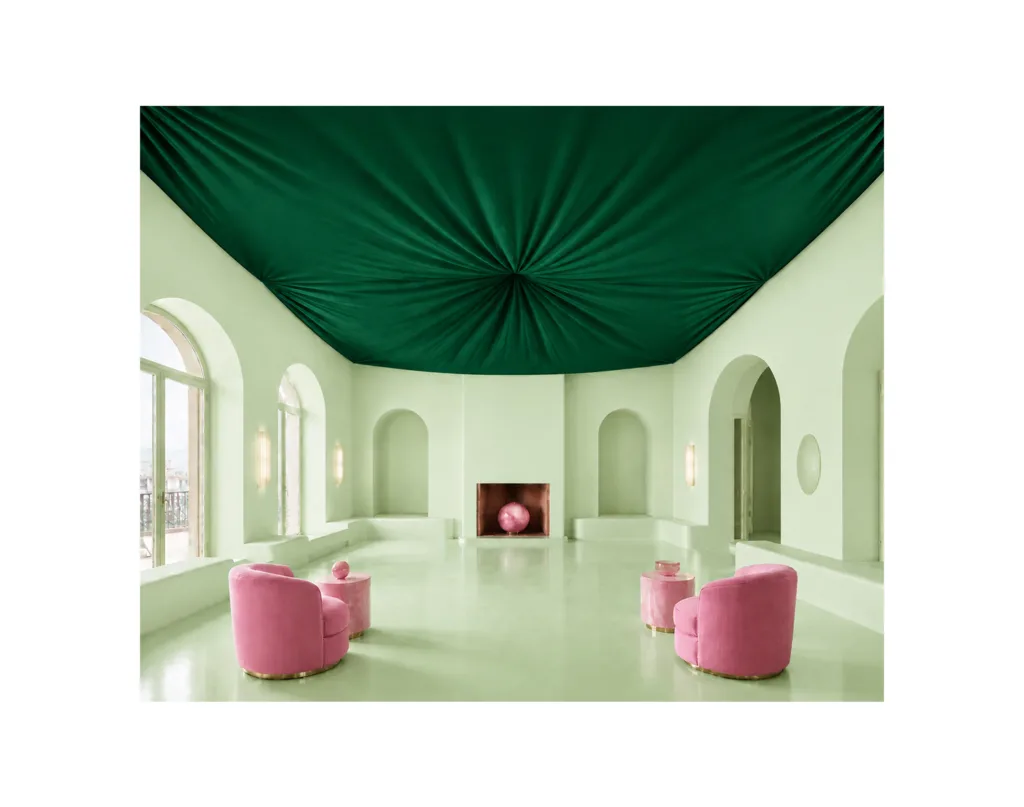
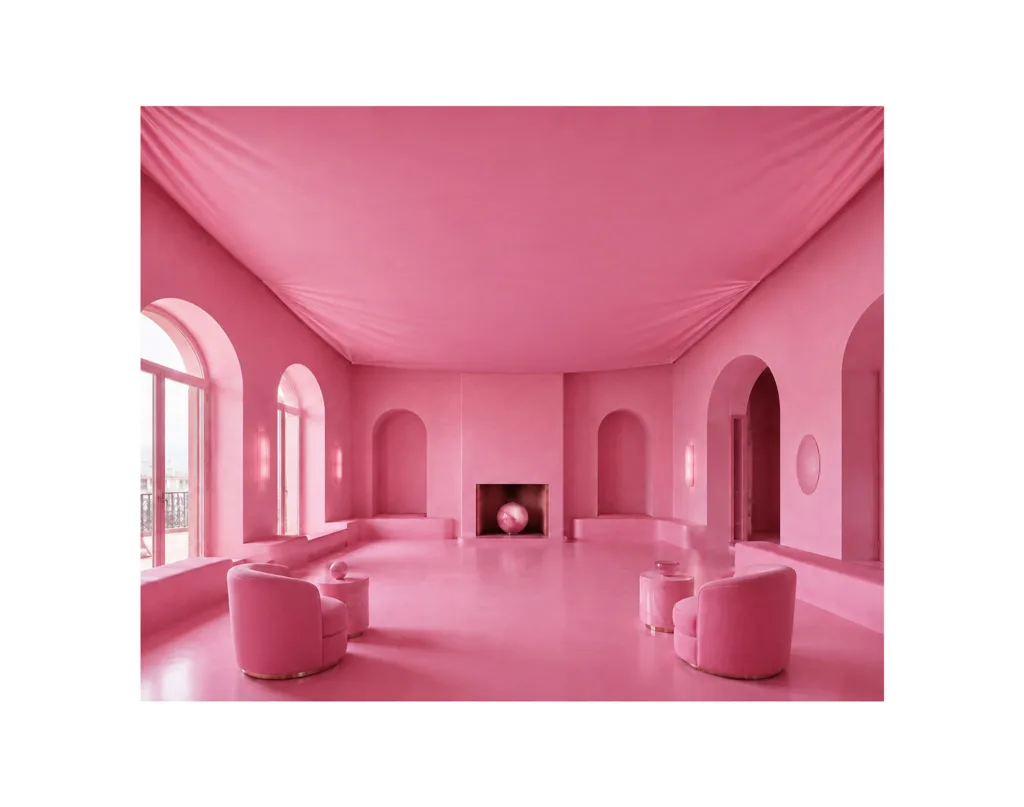
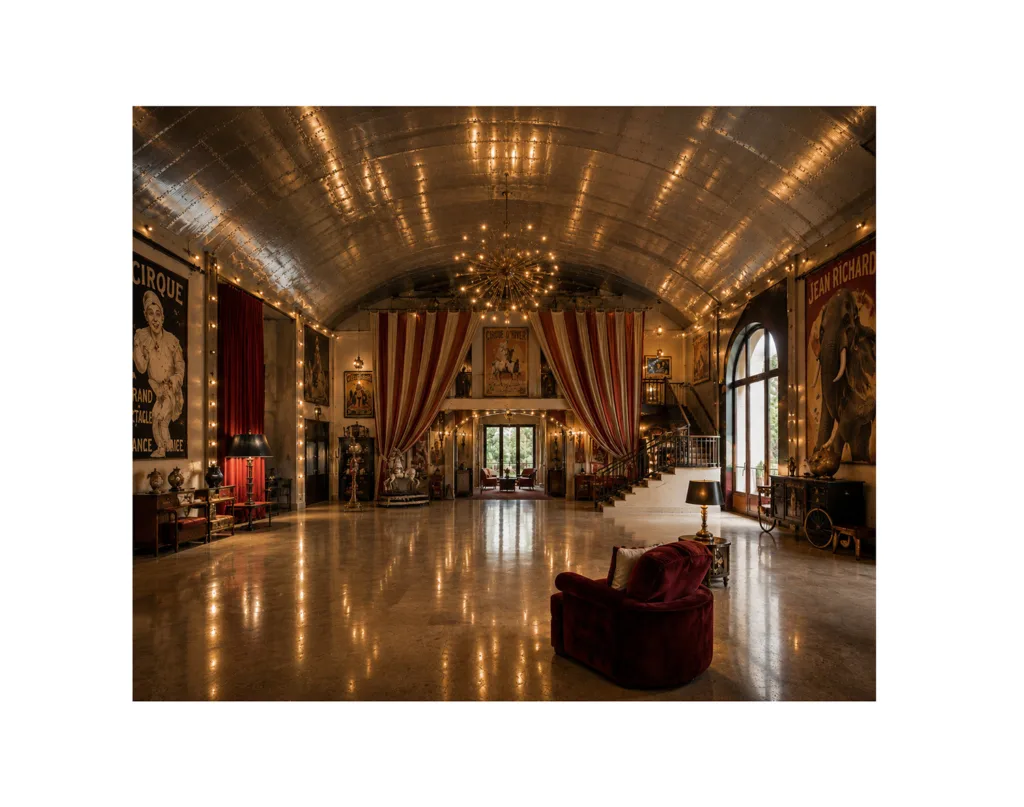
The task I set myself (or should that be AI?) was to create six interior settings for Deirdre Dyson’s current 2026 collection- Melange. I wanted the interiors to be influenced by Deirdre’s designs in some way. I wanted to approach this differently too. Rather than limit the interiors to just realistic (liveable) settings, I decided I would direct AI to create some interiors that were more fanciful or otherworldly.
So many questions remained unanswered – Could it determine the very basics? Do I know what that ‘otherworldly’ means or would AI lead the way and show me? Would I have to direct and command the AI? Or could I just sit back and let AI do its own thing, surpassing anything I could ever imagine or create myself?
In this crazy, creative circus; I had to experiment and start ‘inputting’ to find out.
What became apparent from the outset was that the direction had to come from me, principally I would be leading the way. Without my input AI could not determine or create anything. It needs these simple commands to begin. What also became evident is that it interpreted these instructions on what it already knew, using any previous ‘knowledge’ to make and present a result. And that created limitations because no two thinking minds are the same. I hadn’t realised that it would require repetitive input from me to guide it to something as close to what I had envisioned in my own mind.
It was a slow and often frustrating process as it ‘thinks’ and interprets your command as best it can.
It’s similar to a conversation between two unfamiliar beings, from two different paths and experiences. You will find common ground and connect on the same shared experiences maybe, but whereas often you can’t, one then gives to the other meaning behind their words, behind the topic being conversed, behind their point of view, reference and knowledge; in the hope that the other will understand and maybe learn and take something from the interaction in some way.
That is what I felt and understood about my experience using AI. It requires you to feed it the ‘knowledge’ for it to then use and share back to you and between others. It will take that knowledge and guidance you shared and store it for future reference. It continuously builds it’s own creative resources on the knowledge it acquires, as it builds and evolves. Without ‘input’, it can do nothing.
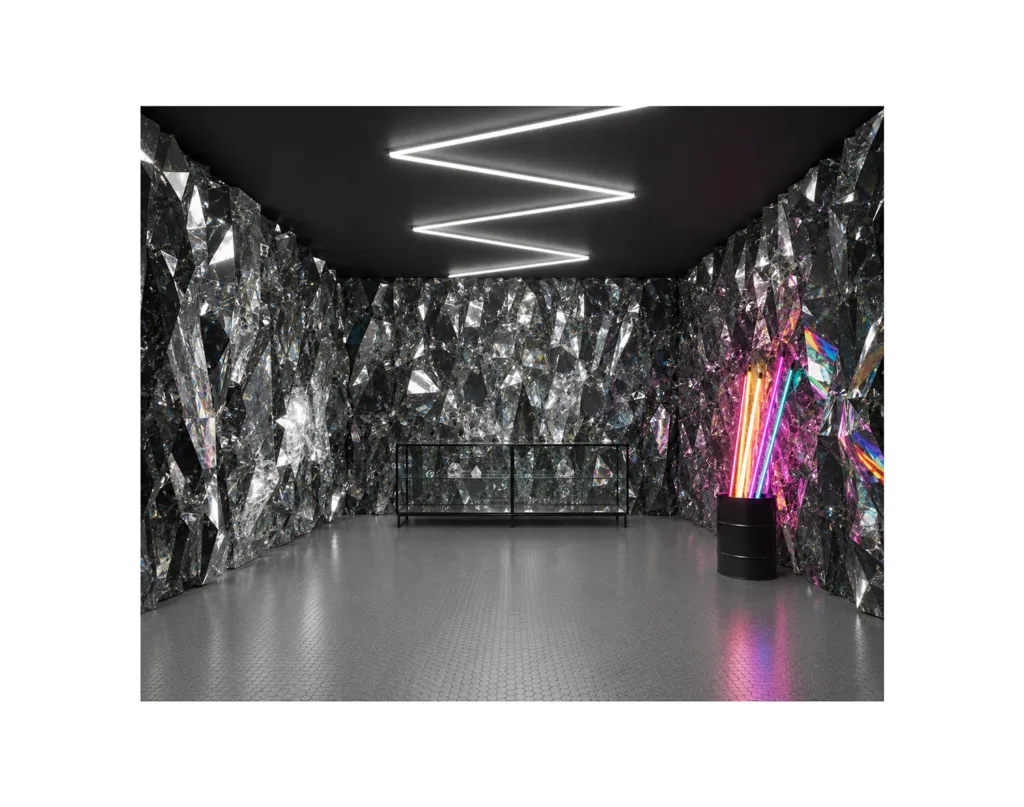
The core difference is that creativity is never learnt. It is a natural, inherent ‘gift’ or skill. An artist is born an artist. Creativity is an inseparable part of a person that often requires nurturing and guidance, but it certainly can’t be learnt. AI does not (yet) have its own ‘original, human expression’.
The advantages that AI may bring to the creative industry is the speediness of rendering with such a quick turnaround; perfect for creating ‘reference visuals’ and mood boards in seconds. How this will impact on copyright as AI drags protected work from the internet is yet to be fully understood. It cannot create from a free-thinking mind. It can only create by what it is taught, shown and has access to.
In contrast to Deirdre’s hand-crafted rugs developed from her hand-sketched drawings and paintings, the AI rendered interiors presented below certainly demonstrate a level of homogeneity, even when I pushed the descriptors. Maybe I just haven’t mastered the skill of AI commandship- a gentle reminder to myself, that we are all still learning!
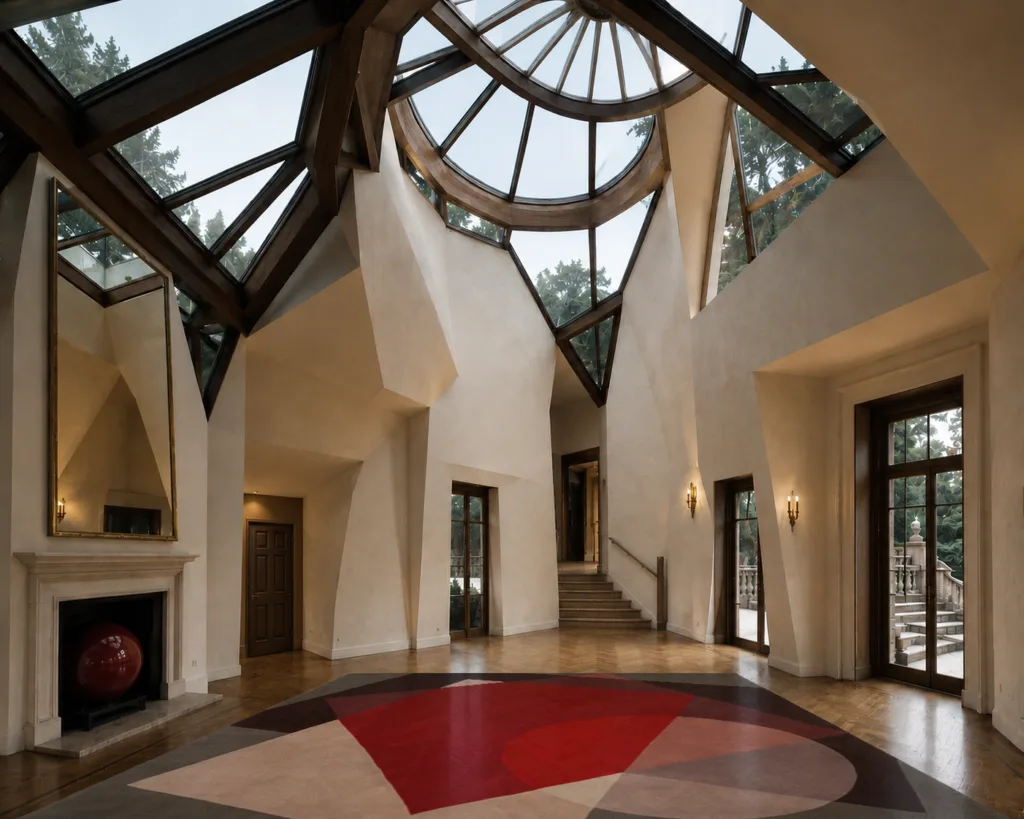
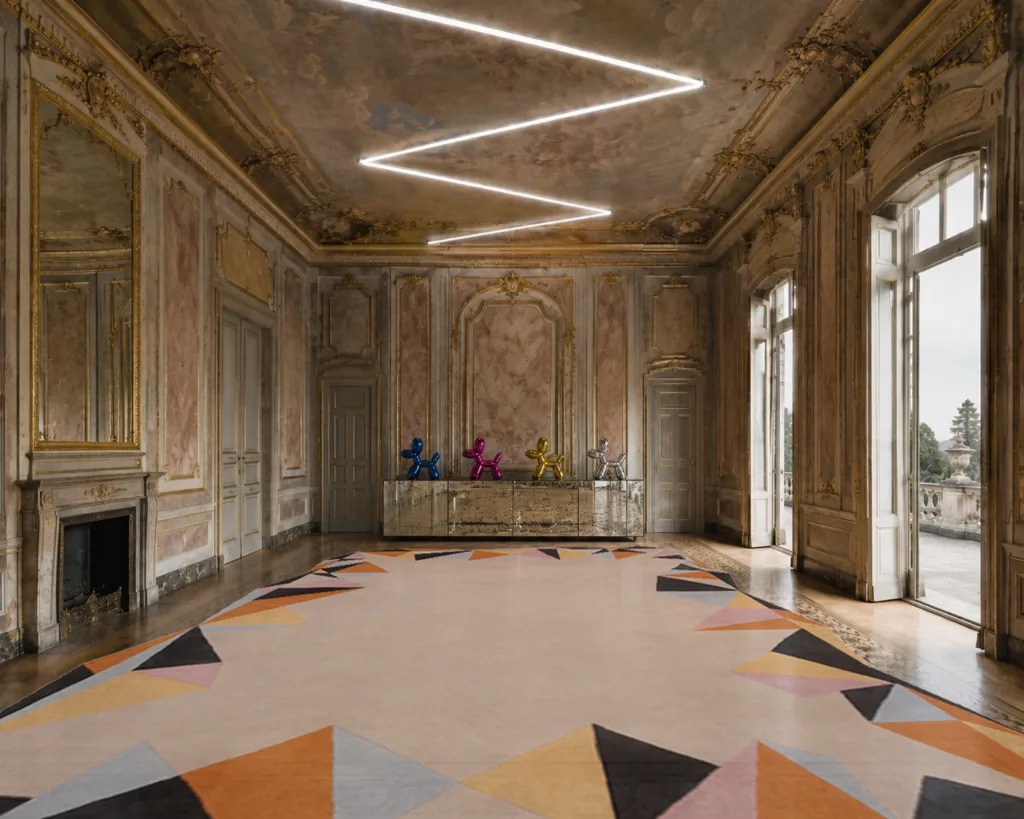
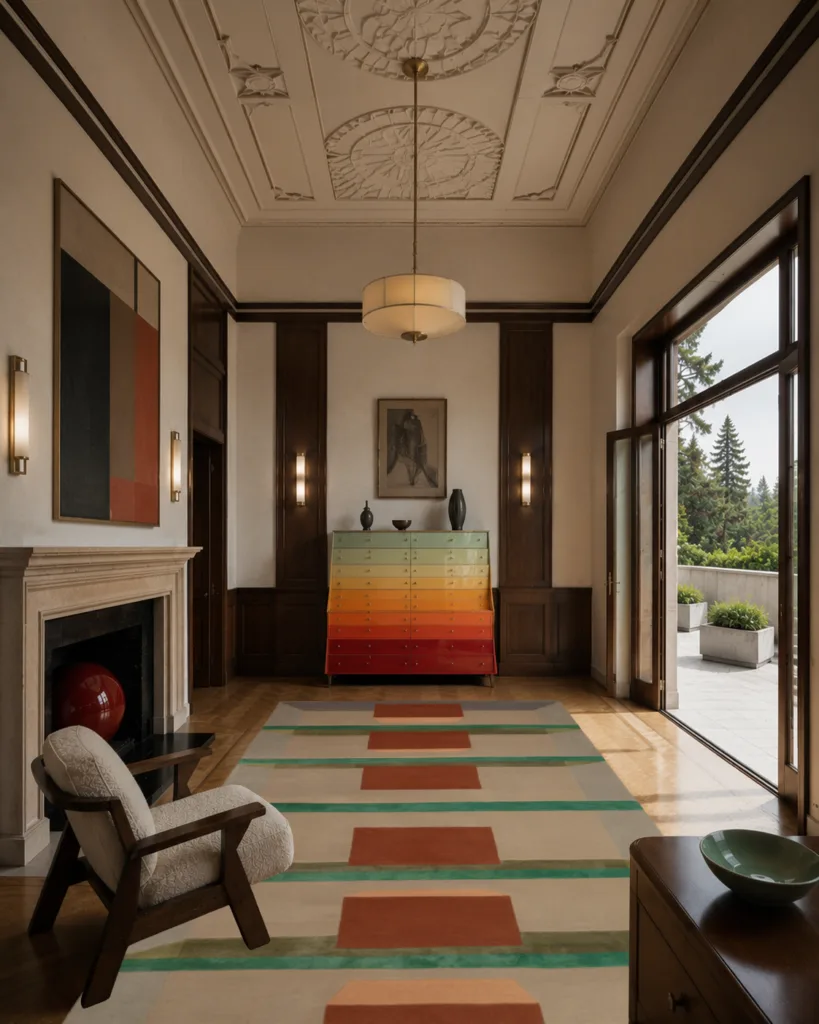
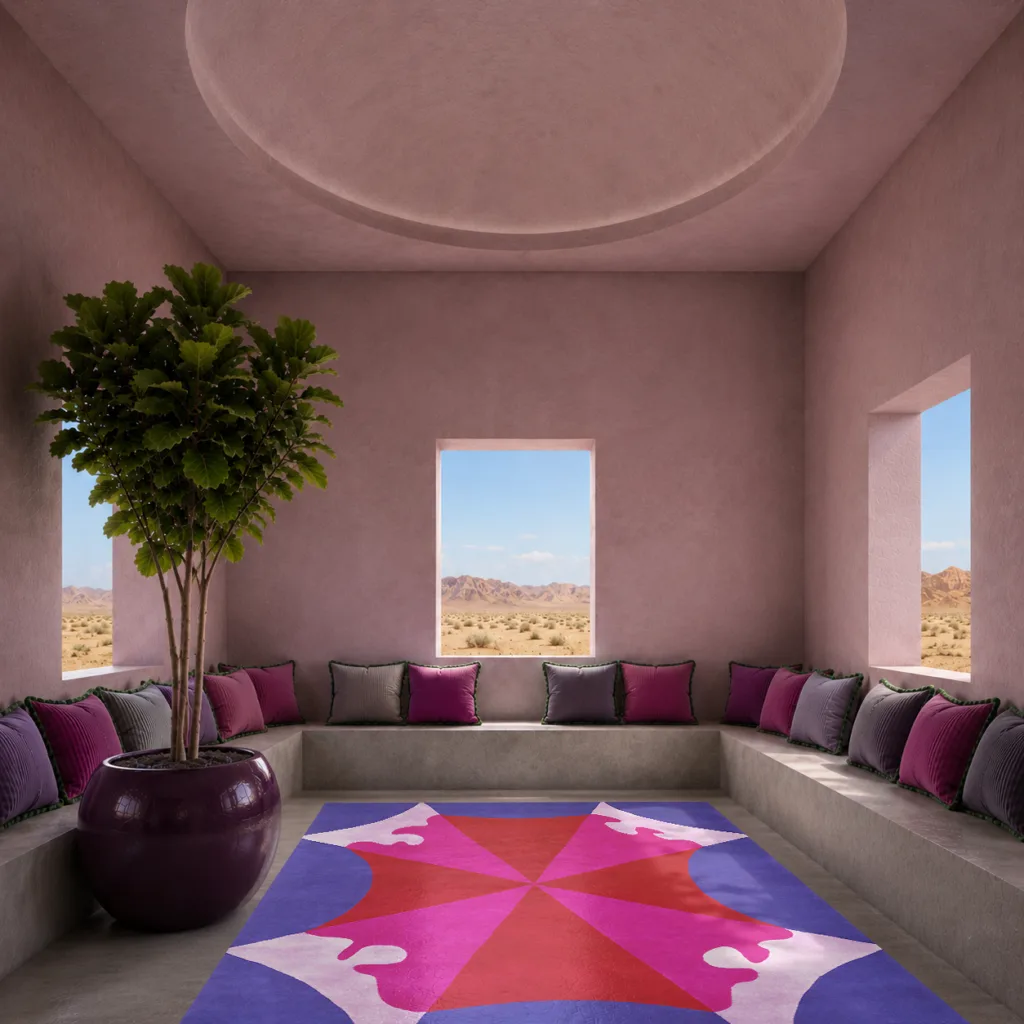
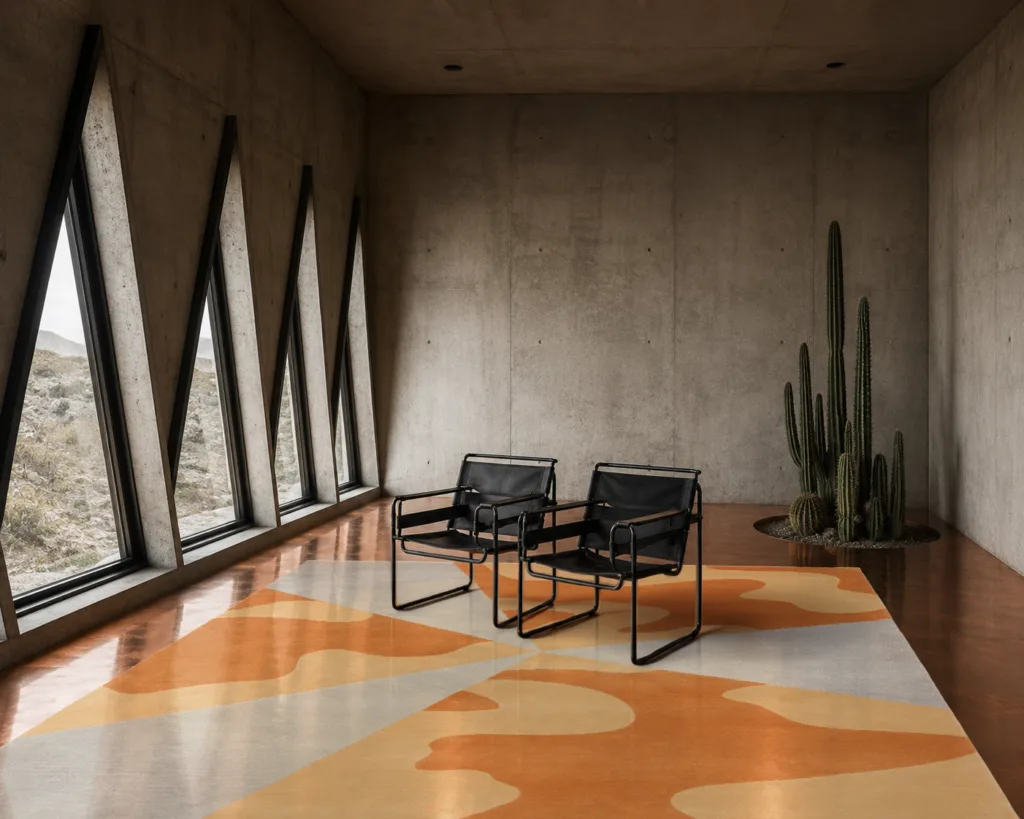
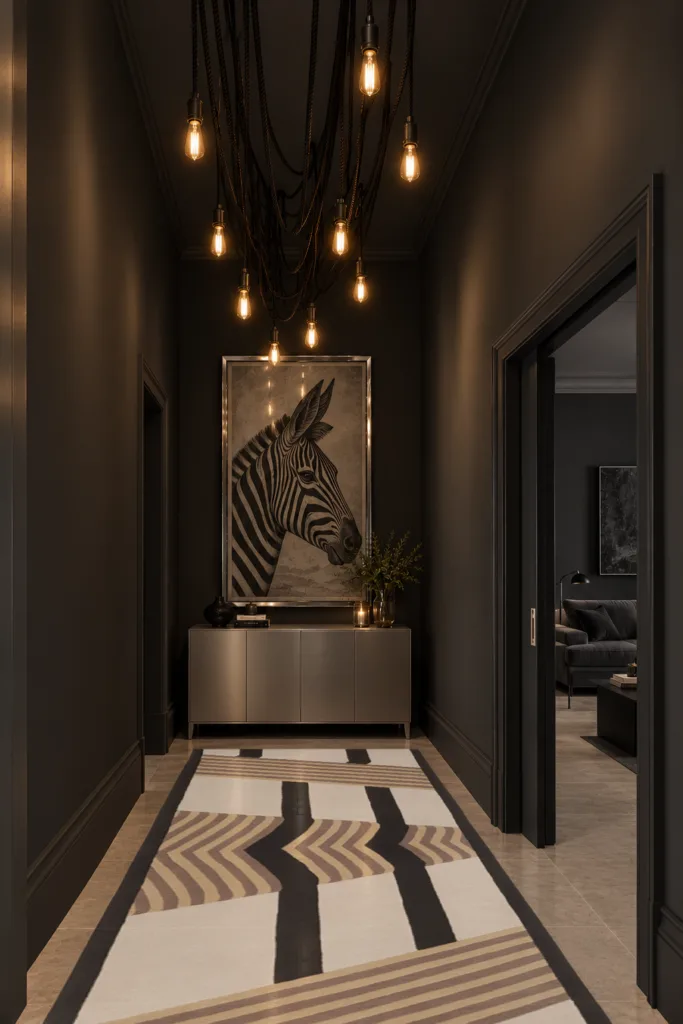
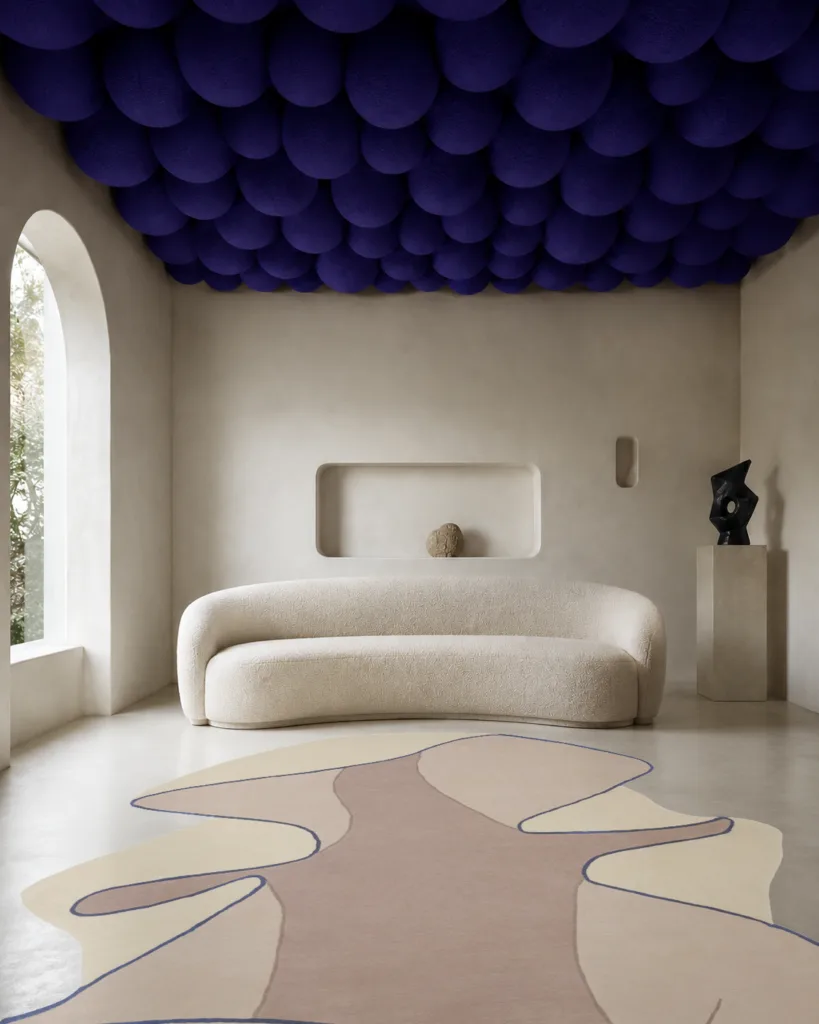
Deirdre Dyson’s, O, Crystal, Glassy Greens, Moulin, Triptych, Safari and Pouch hand knotted carpets in AI imagined rooms designed by Edison