

Hand-Knotting Process: The Art Behind Deirdre Dyson’s Bespoke Rugs
The Timeless Craft of Hand-Knotted Rug


A hand-knotted rug is so much more than just a floor covering – it is a work of art, meticulously crafted by skilled generational artisans, using techniques that have been passed down through hundreds of years. At Deirdre Dyson, we take pride in helping to uphold this time-honoured tradition, ensuring every hand-knotted rug embodies unparalleled craftsmanship, durability, and elegance.
Hand-knotting is the most intricate and prestigious rug-making method, requiring months of precise, patient work. Each hand-knotted wool rug we create is woven using the finest materials, carefully selected for their beauty, texture, and longevity. With a deep respect for the Tibetan and Nepalese knotting heritage, our rugs blend age-old techniques with contemporary design, creating a masterpiece that stands the test of time.
Originating from Tibet, the art of hand-knotted rugs has been practised for centuries, with traditional Tibetan rugs made from highland sheep’s wool (called changpel). These rugs were historically used in monasteries, aristocratic homes, and as functional seating or sleeping carpets (khaden). The Tibetan knotting technique is distinct, allowing for rich texture and intricate patterns. While the craft faced decline in the 20th century, Tibetan rug-making has seen a resurgence, particularly in Nepal and India, where skilled artisans continue to preserve and refine this revered technique.
Exceptional Durability
Entirely knotted by hand, our rugs are made to last for generations without losing their beauty. Made using only natural materials of wool and silk, Deirdre Dyson carpets are robust by nature.
Unique Texture & Intricacy
The hand-knotting technique allows for extraordinary detail and depth of pile, creating a truly bespoke piece – each rug is unique and custom made to your exact requirements.
Timeless Value
Unlike machine-made carpets, a hand-knotted rug is made to last, often becoming a cherished heirloom and lasting for generations to come.
Ethically & Sustainably Sourced
At Deirdre Dyson we place immense value in ethical practices – without them, we wouldn’t have the beauty and quality of our rugs. We work closely with our weavers and use premium Tibetan wool and pure silk. Every Deirdre Dyson hand knotted rug is Goodweave certified. We also support the Campaign For Wool here in the UK and constantly look at further ways to ensure ethical and environmentally responsible sourcing.
Hand-Knotted vs. Hand-Tufted vs. Machine-Made Rugs
| Feature | Hand-Knotted | Hand-Tufted | Machine-Made |
| Durability | 50+ years | 5-10 years | 5-10 years |
| Texture & Detail | Exceptional | Good | Basic |
| Investment Value | High | Medium | Low |
| Production Time | Months | Weeks | Days |
1. Material Selection: The Foundation of Excellence
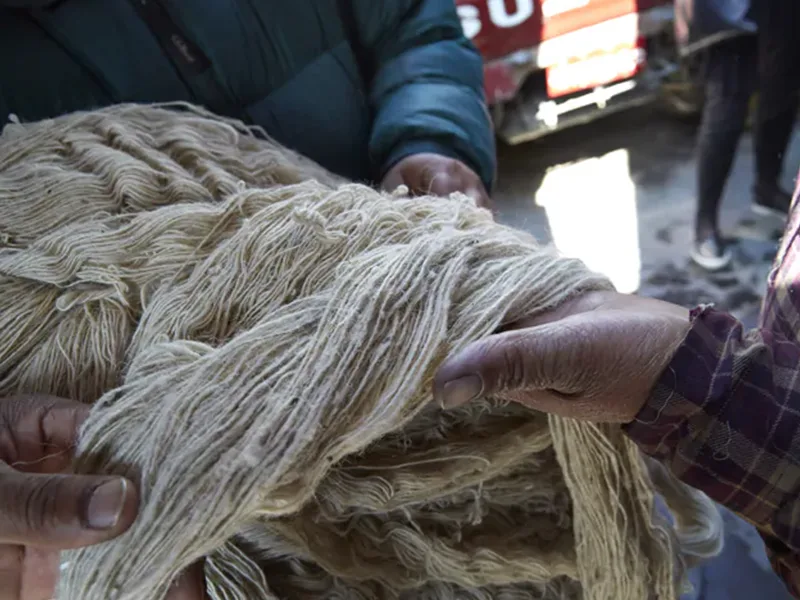
The journey begins with carefully sourced Tibetan wool and pure silk, renowned for their softness, strength, and lustrous quality, whilst ensuring both superior craftsmanship and responsible production.
2. Wool & Silk Preparation
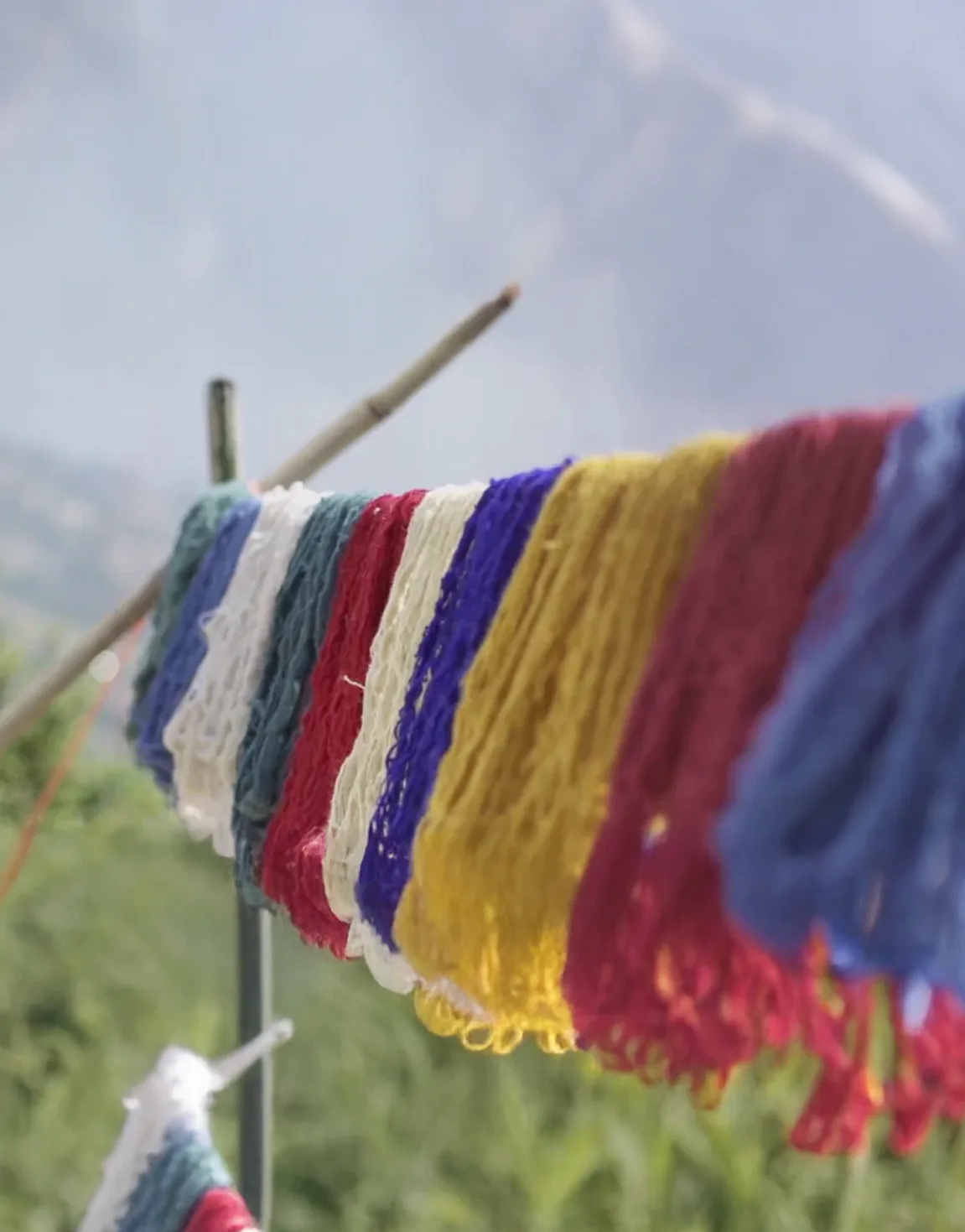
- Carding & Spinning – Raw fibres are aligned and spun to create strong, fine threads that are perfect for intricate designs.
- Dyeing – Our master dyers use precision-matched dyes to achieve the perfect colour tones, ensuring depth and vibrancy.
3. Design Mapping: Translating Art into Weave
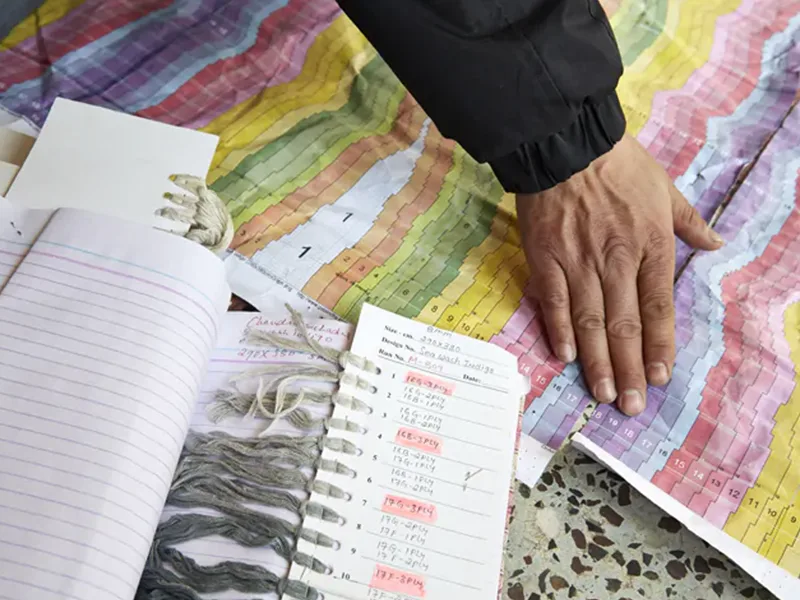
Every Deirdre Dyson hand-knotted rug begins as an intricate design, meticulously mapped out using digital and traditional techniques. This step ensures that each rug remains true to Deirdre Dyson’s original artistic vision.
4. Weaving & Knotting: The Tibetan Knot Technique
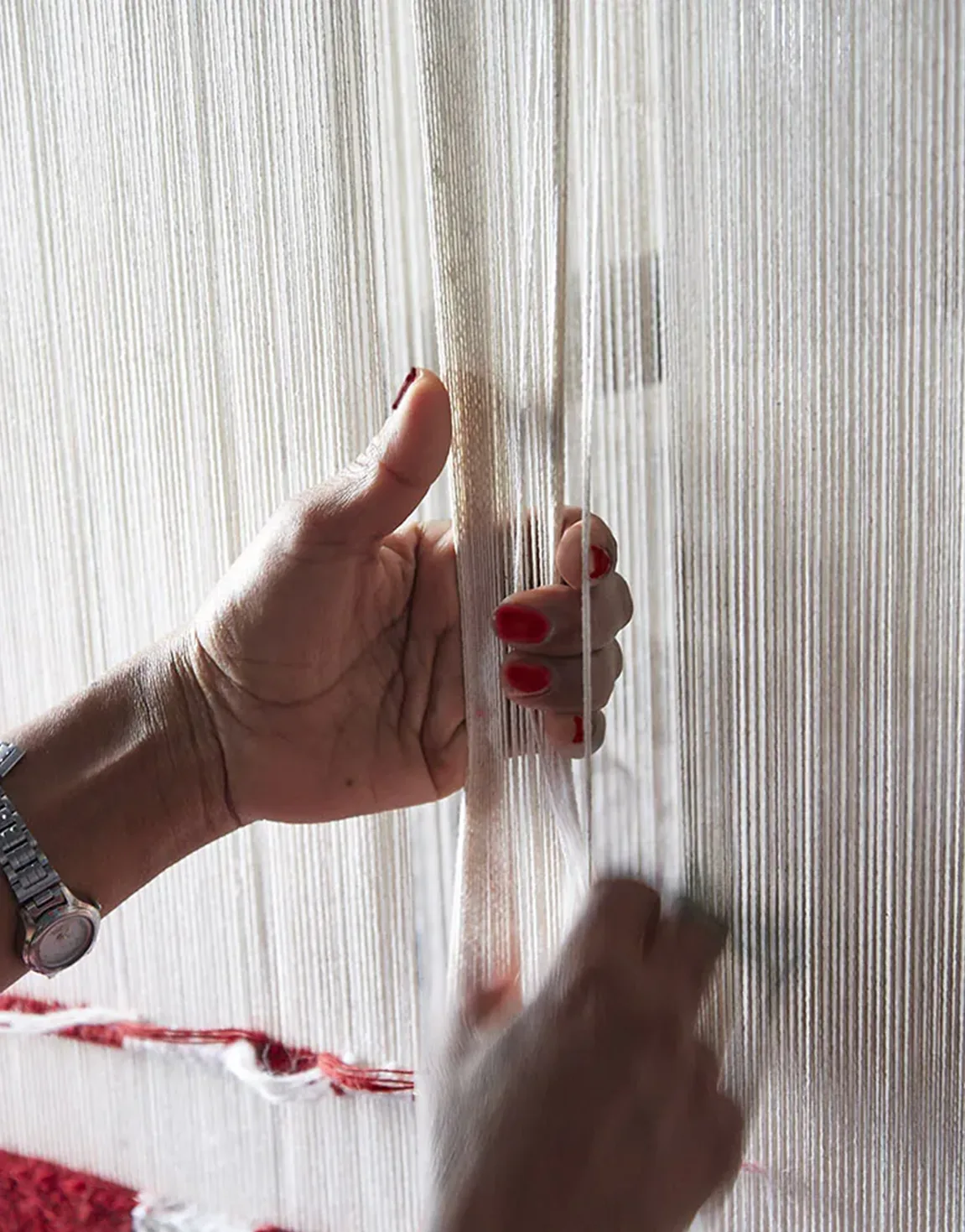
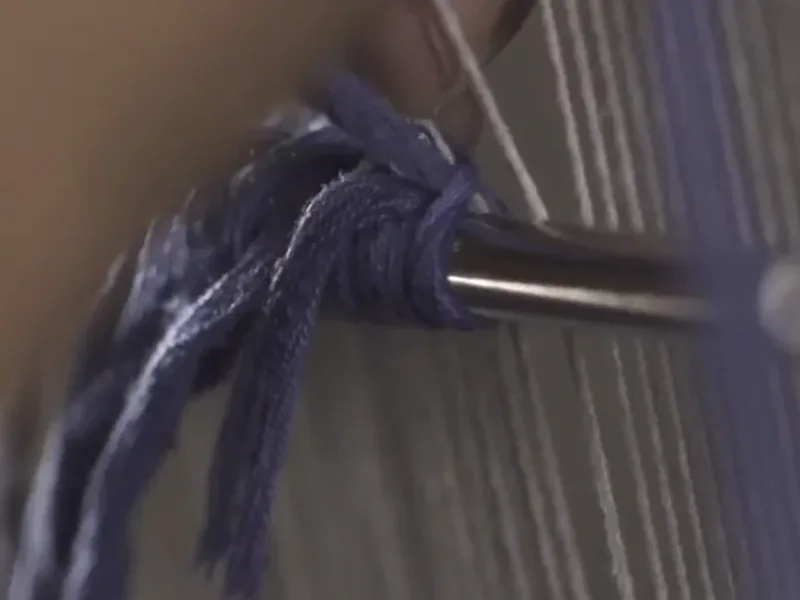
This stage is where true artistry unfolds. Our artisans meticulously tie thousands of knots on a loom adopting the Tibetan knotting method which uses a “Gyipshi” rod. The thickness of the rod determines the pile height and the number of knots per square inch determines the rug’s quality – the higher the knot count, the greater the detail and durability. Deirdre Dyson hand knotted carpets have at least 100 knots per square inch (the size of a postage stamp).
5. Finishing Touches: Perfecting the Masterpiece
Once the weaving is complete, the rug undergoes:
- Washing & Stretching – Enhancing softness, sheen, and shape.
- Trimming & Hand-Carving – Creating depth and emphasising intricate details.
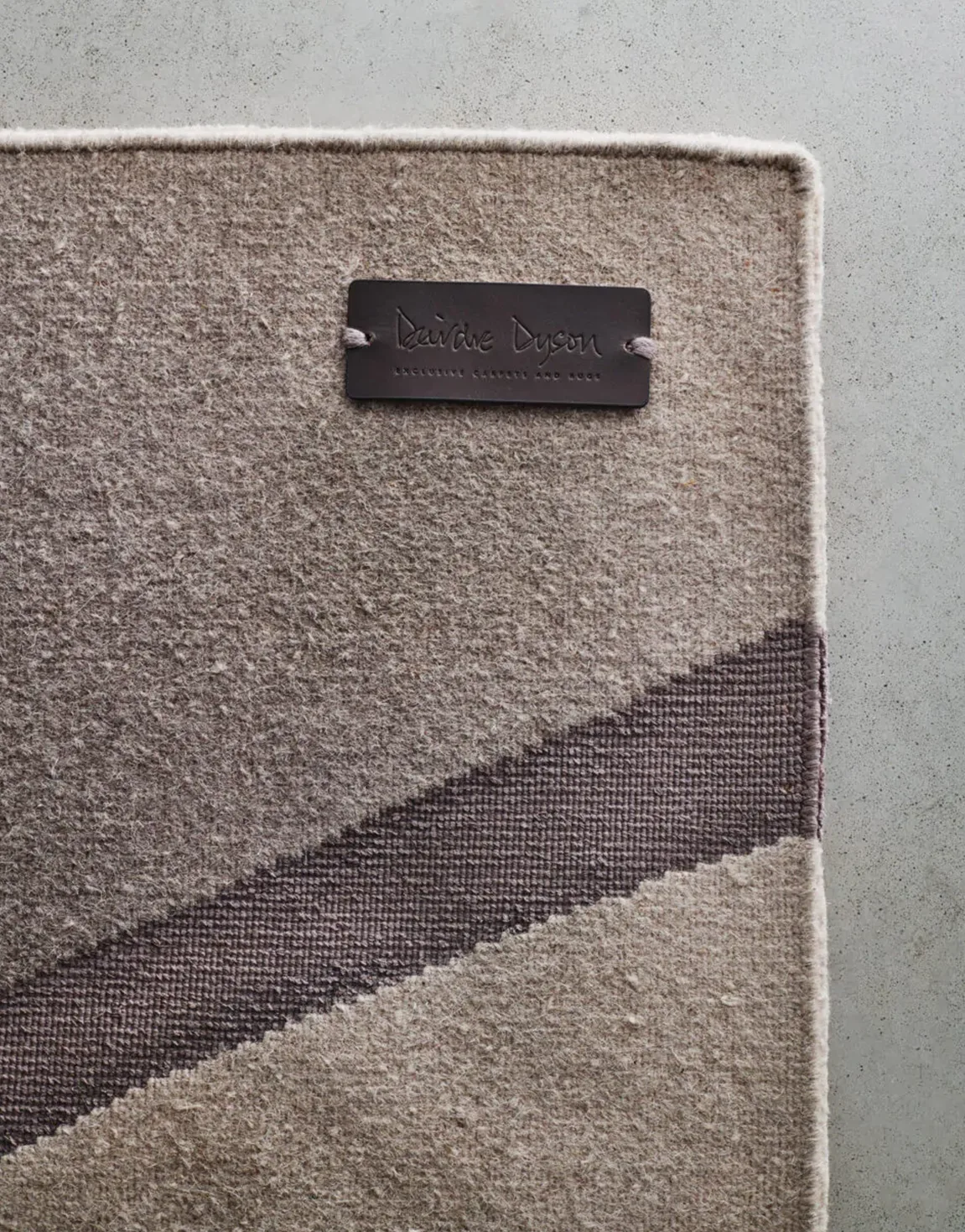
- Finishing – each carpet is carefully bound and is given its unique Goodweave ID and Deirdre Dyson custom leather label.
A Deirdre Dyson hand-knotted rug goes beyond decor – it is a fusion of luxury, craftsmanship, and sustainable artistry. Our bespoke designs and decades of experience ensure that every rug is a one-of-a-kind creation, perfectly tailored to your space and vision.
Discover the beauty and artistry of true hand-knotting by exploring our Design Library and requesting a consultation to start your bespoke journey today.